geOrchestra
The evolution of geOrchestra and GeoNetwork transforms complex geospatial infrastructures into a unified, accessible DataHub. Designed for institutions like the IGN and regional territories, the project clarifies intricate data workflows—from mobile-responsive navigation to a streamlined ingestion tool. A dedicated Design System serves as the structural grammar, ensuring technical consistency and long-term scalability across diverse open-source deployments
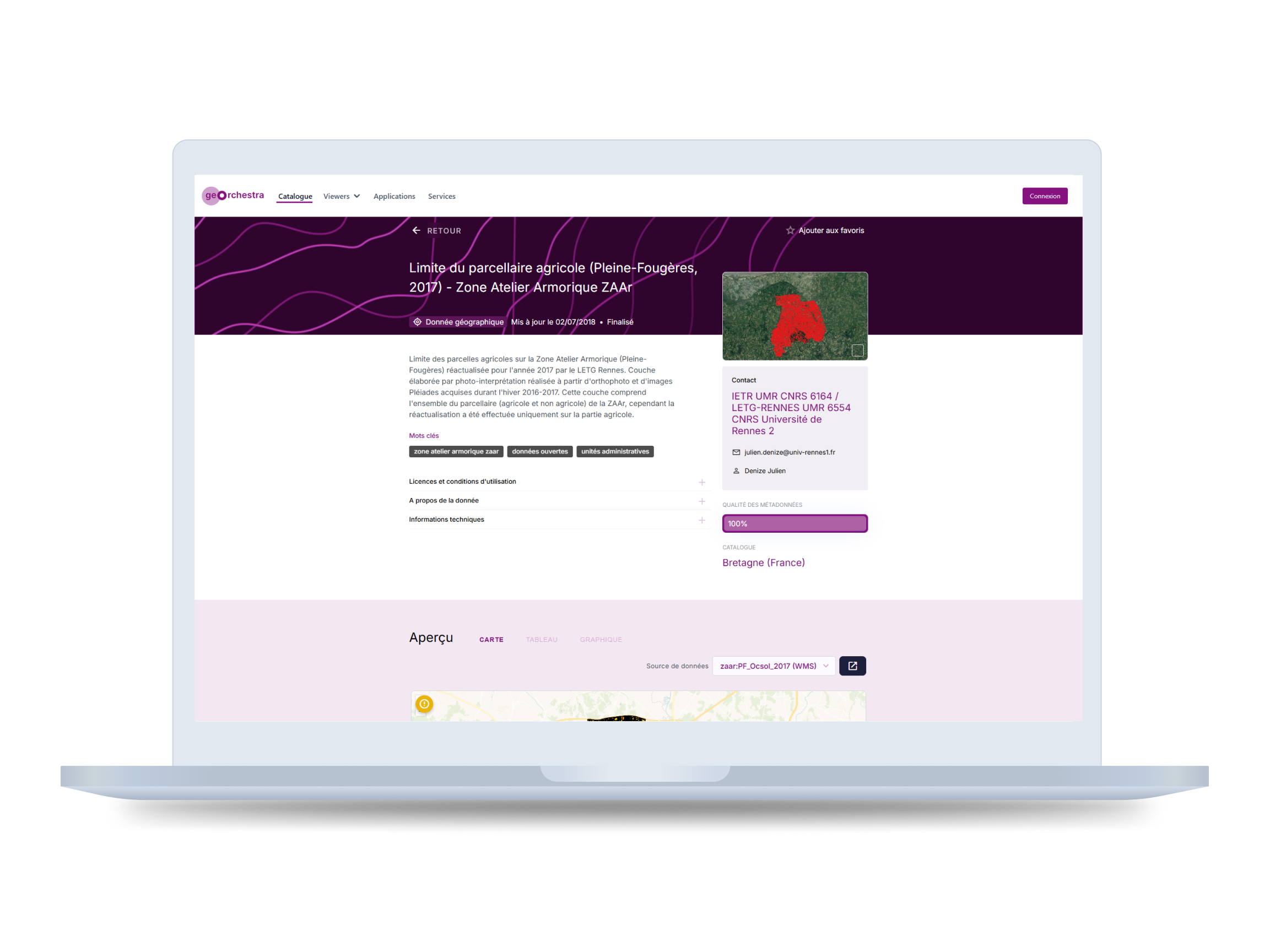
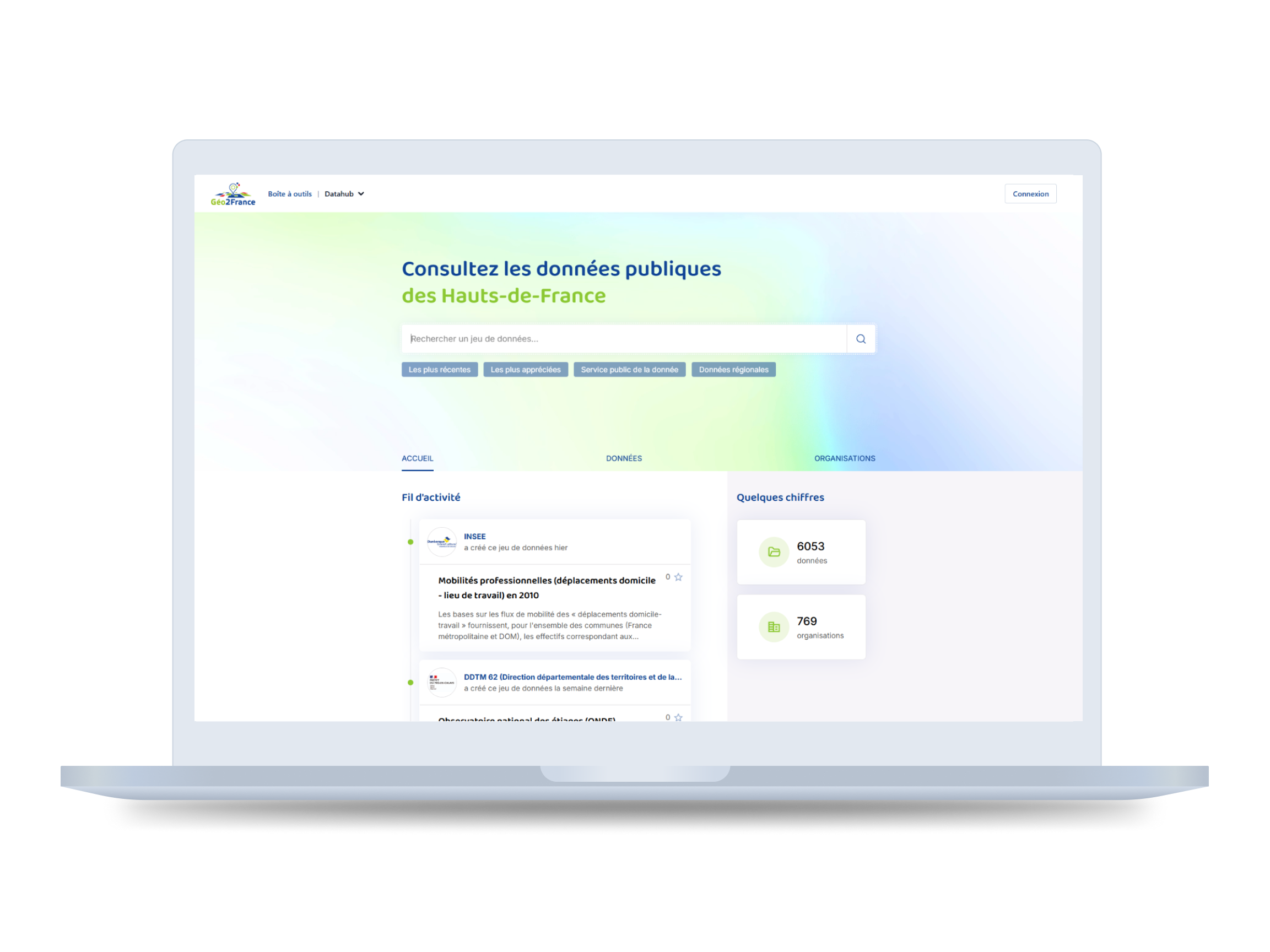
Project Key Points:
Context
A Community-Driven Infrastructure
geOrchestra is a modular, open-source Spatial Data Infrastructure (SDI)
- The Model: Every improvement is first commissioned by a client but ultimately submitted for community approval
. - The Ecosystem: A distributed environment where tools must work both as standalone modules and integrated suites
. - Key Stakeholders: National institutes (IGN), regional territories, and a global network of open-source contributors
.
Project Reflection
This work illustrates a core philosophy: in complex, open-source systems, design is the bridge between technical capability and human utility. By structuring the "Contribution Loop," the project ensured that every individual client request served a larger vision of clarity, accessibility, and long-term scalability for the entire community.
problem
Balancing Specific Needs with Global Logic
The primary challenge in this open-source environment is fragmentation
- Feature Drift: Different clients require specific features that risk cluttering the interface or creating inconsistent patterns
. - Technical Complexity: Geospatial data tools are traditionally designed for experts, creating a steep learning curve for non-technical institutional users
. - The "Double Burden": Design decisions must satisfy the immediate client’s requirements while remaining generic and robust enough for the entire community
.
Constraints
The Dual-Validation Process
- Institutional Rigor: Meeting strict accessibility (RGAA) and ergonomic standards for high-level public bodies like the IGN
. - Community Governance: New features must pass the scrutiny of the open-source community to be merged into the core product
. - Versatility: The design must accommodate various regional identities while maintaining a shared technical foundation
.

Approach
The Design System as a Shared Grammar
To harmonize client-specific requests with community standards, the approach shifted from "feature design" to "systemic design"
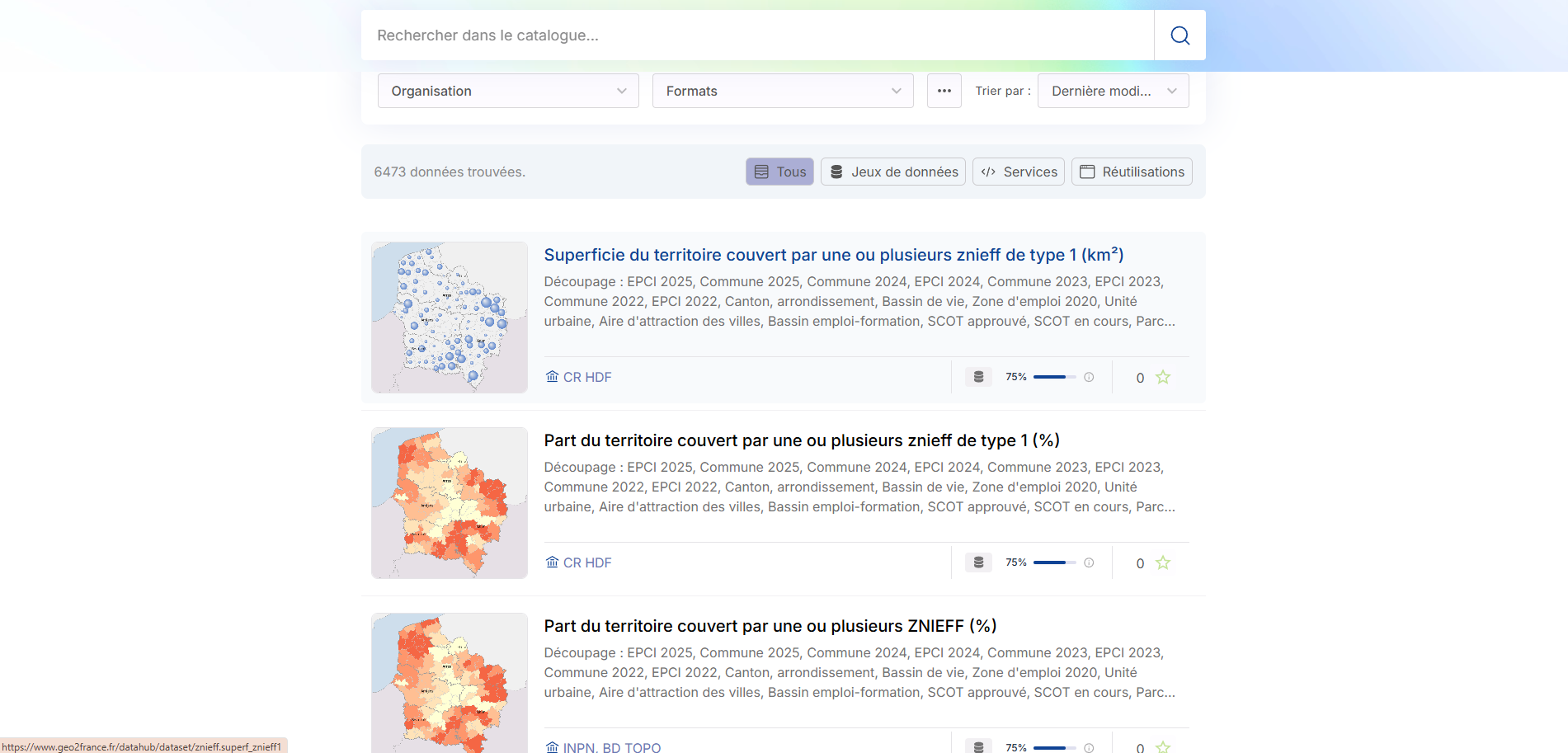
- Establishing a Core Grammar: By creating a Design System for GeoNetwork, individual projects (like those for Lille or Grand Est) were used to build a library of reusable components
. - From Client Project to Community Asset: Each specific intervention—whether mobile adaptation or content articulation—was designed as a scalable pattern for all users
. - Strategic Consultation: Improving ergonomics and accessibility was treated as a foundational upgrade for the entire ecosystem, not just a one-off fix
.
Design decisions
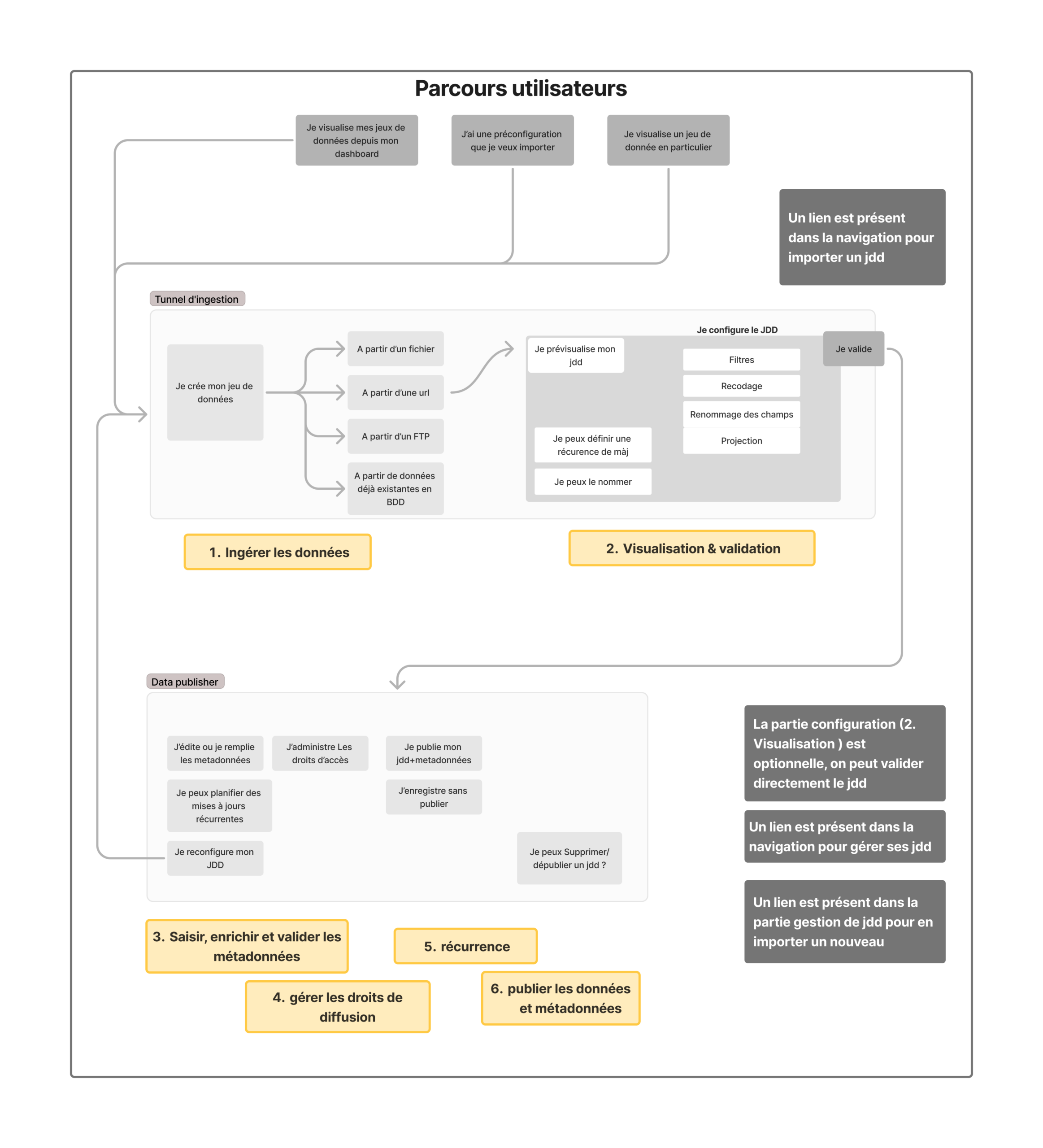
- The Ingestion Tool: Redesigning the data ingestion process to handle server-side complexity through a simplified, user-centered workflow
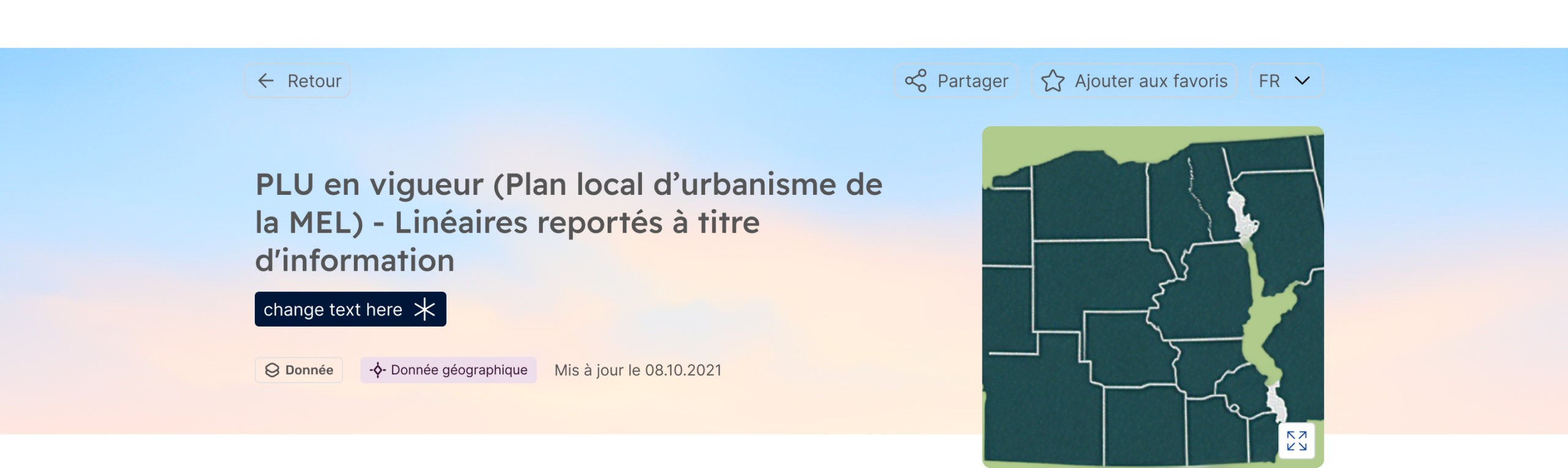
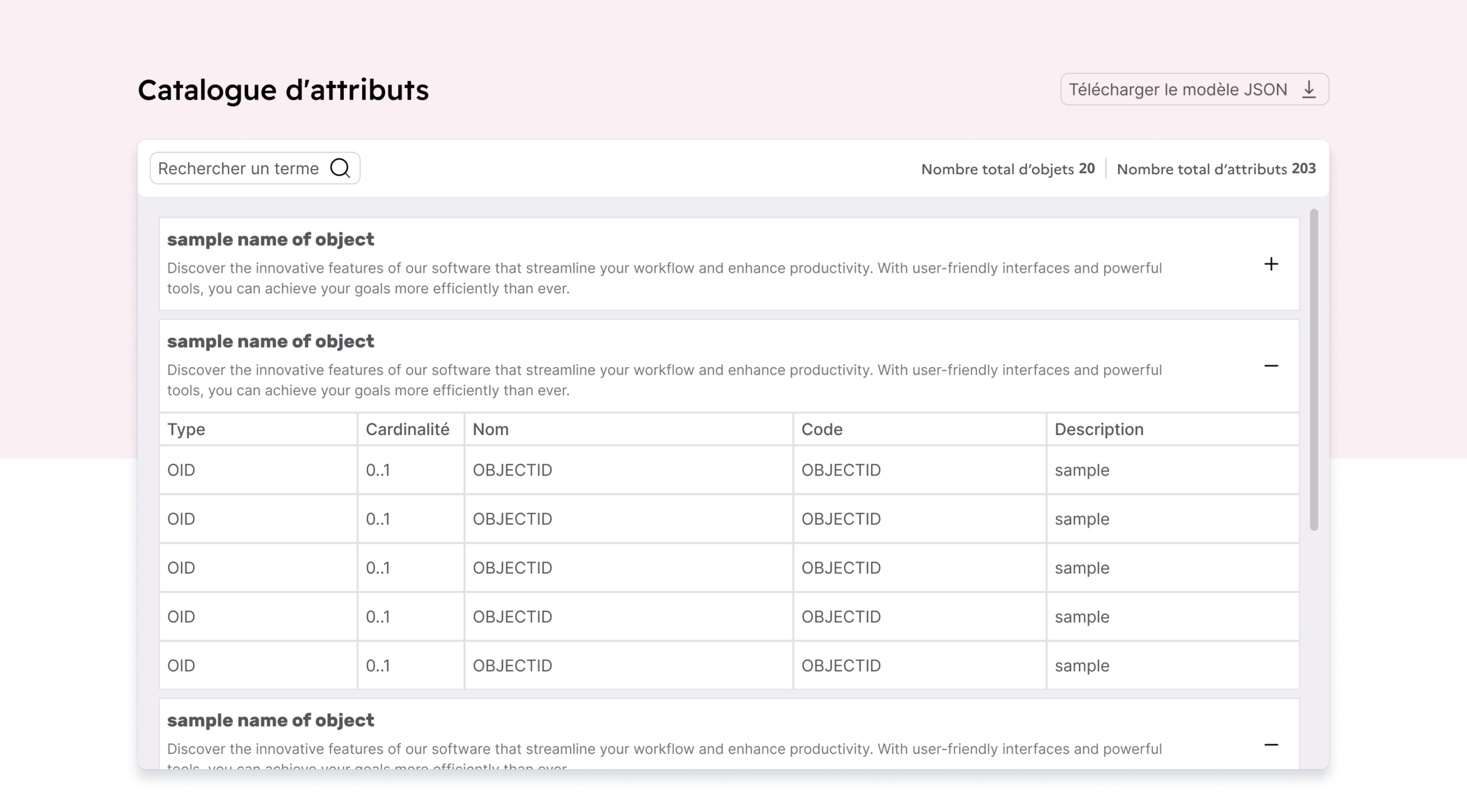
. - Responsive Evolution: Transforming data-heavy catalogs into mobile-friendly interfaces, a critical step for modern institutional usage
. - Design as an API: Treating the Design System as a "product API" to ensure that future contributions remain technically consistent and easy to implement
.
Outcome
- Collective Impact: Improvements funded by the IGN or Hauts-de-France now benefit every geOrchestra user worldwide
. - Technical Maturity: The establishment of a Design System has reduced the "cost of contribution," making it easier for new developers and designers to participate
. - Institutional Confidence: A cleaner, more accessible interface has strengthened the adoption of open-source tools by major public institutions
.